Golf Cottages at Lost Tree Village — A Unified Coastal Landscape
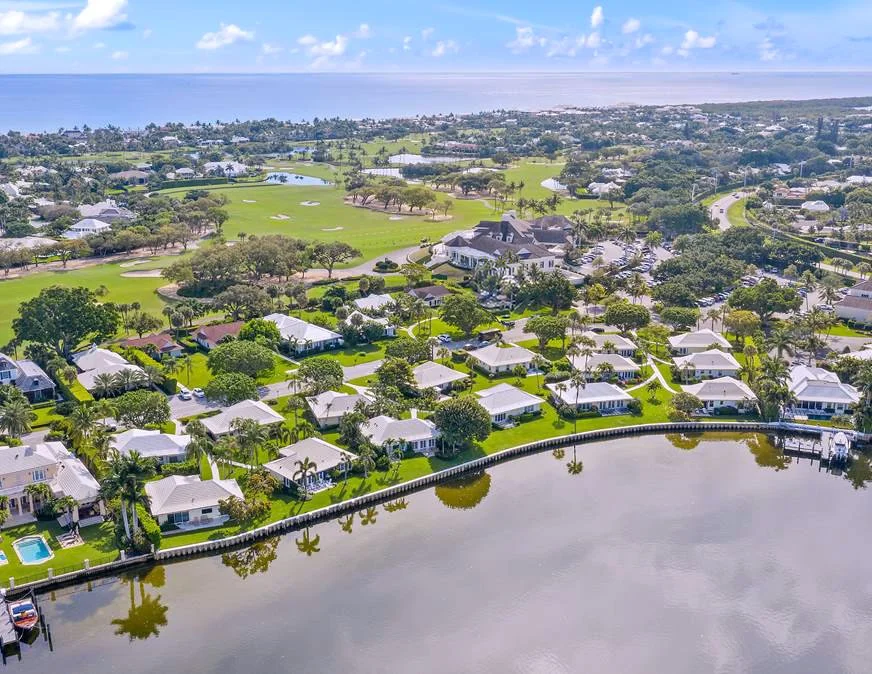
Photo © VHT Studios
Golf Cottages, Lost Tree Village, North Palm Beach, FL
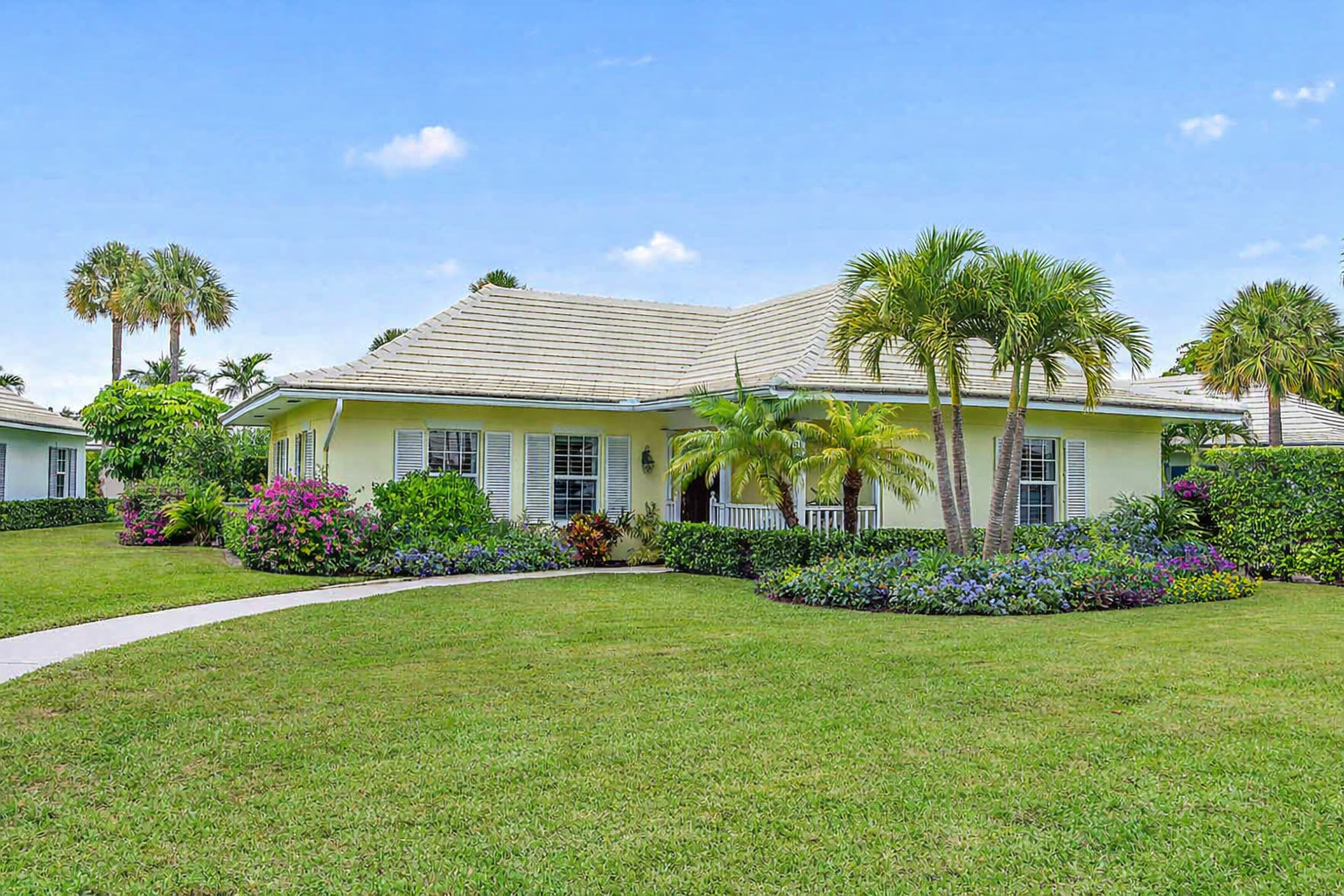
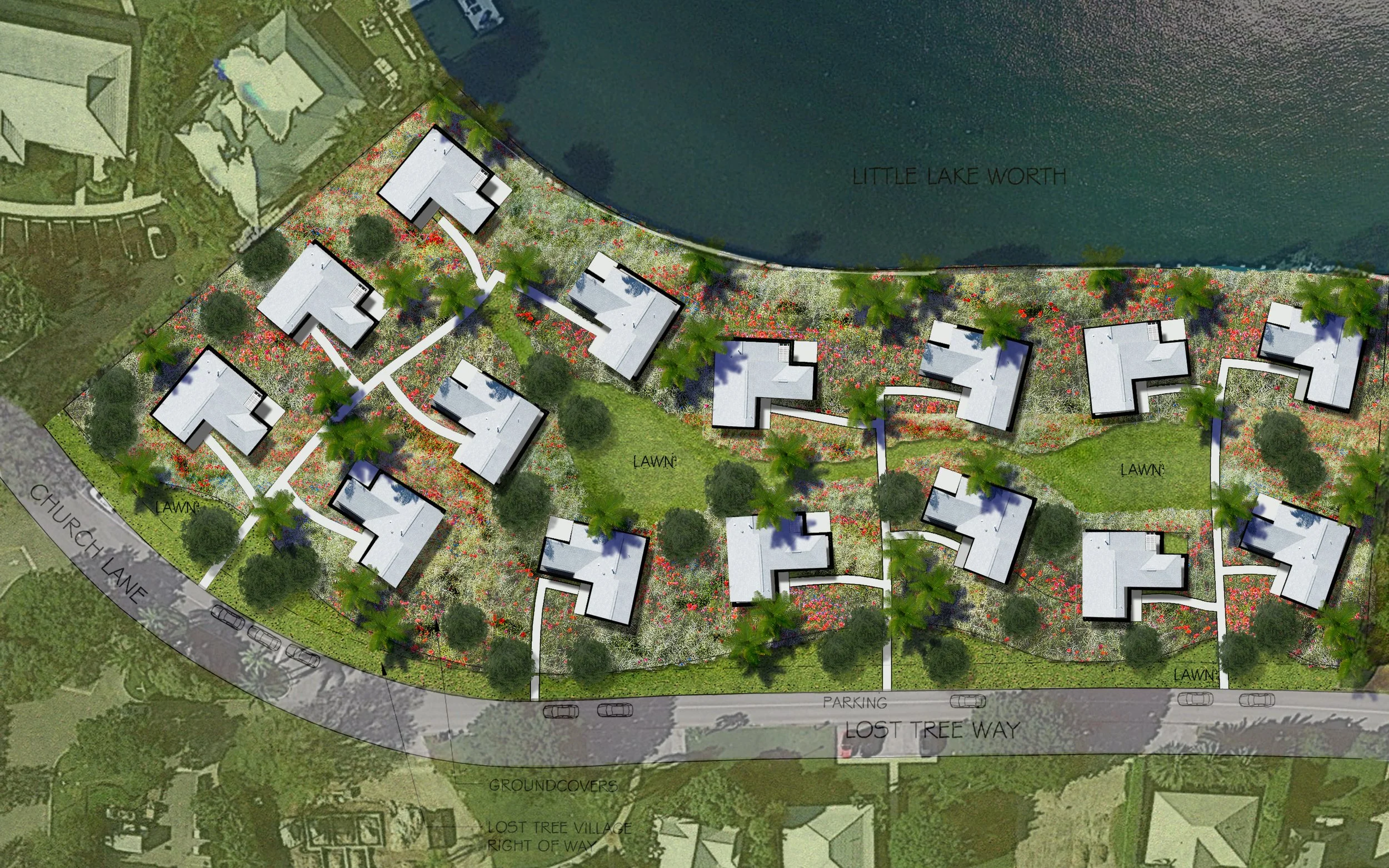
Bell Design, Inc. created a comprehensive landscape plan for the Golf Cottages 15-unit enclave at Lost Tree Village, addressing both the community streetscape along Church Lane and Lost Tree Way and individual residential garden settings adjacent to Little Lake Worth. The design unified the neighborhood through a cohesive planting palette: Plumbago, Mexican Petunia, Oyster Plant, Sword Fern, Beach Sunflower, and Purple Lantana, all selected for year-round color, salt tolerance, and low maintenance. Massed groundcovers and layered shrub borders frame each cottage while preserving sightlines to the lake and golf course beyond. The result is a landscape that is at once lush and disciplined — establishing a consistent village character worthy of Lost Tree's legacy.
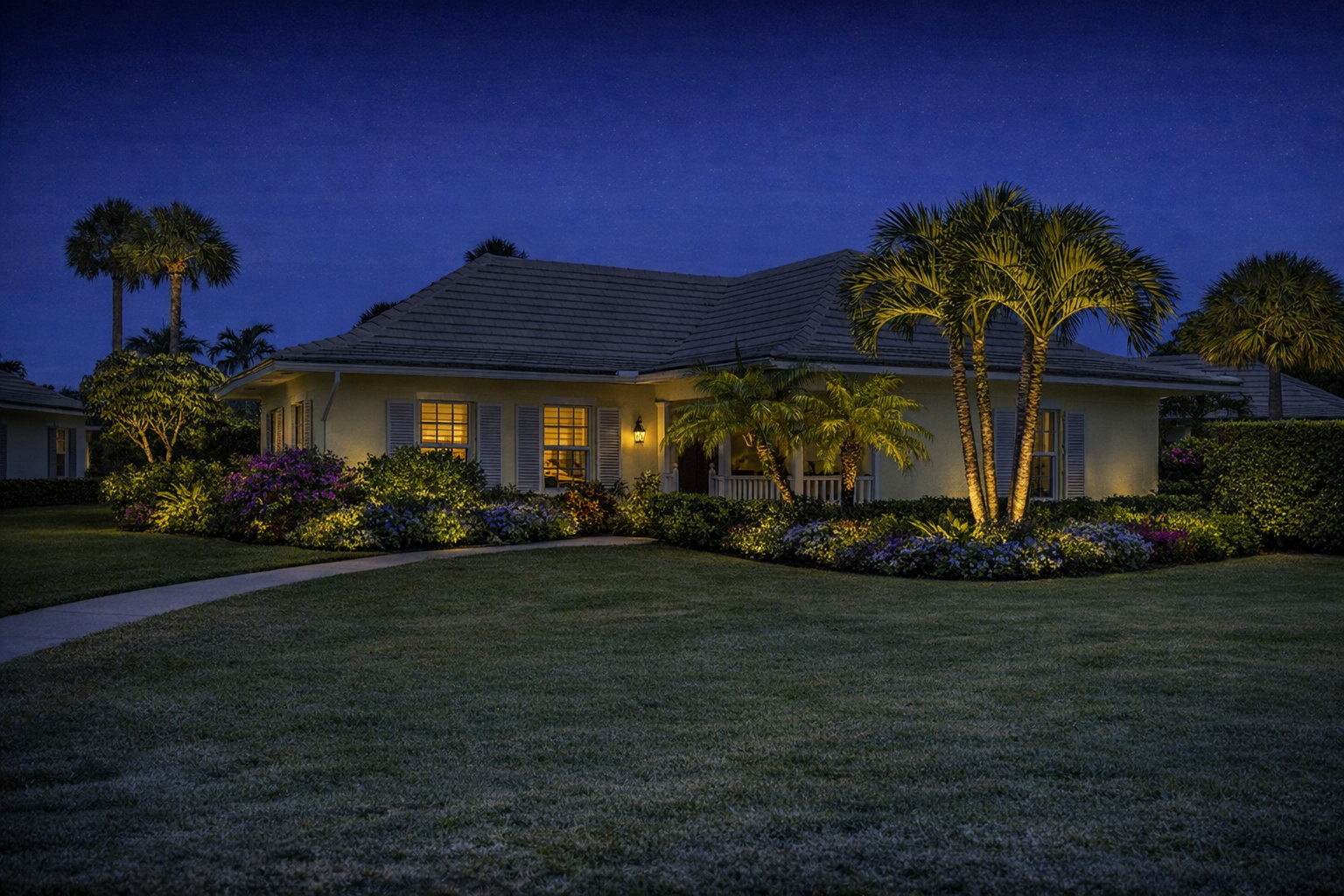
The Golf Cottages common landscape was dominated by lawn, hedges, and scattered trees that required frequent mowing, trimming, irrigation, and chemical treatments. Maintenance and watering costs had reached approximately $60,000 per year, driven largely by the fact that more than 80% of the common area was lawn. Replacing portions of lawn with drought‑tolerant native and adapted groundcovers, along with selecting low‑maintenance trees and incorporating mulch or stepping‑stone paths reduced long‑term upkeep, chemical use, and irrigation demands while landscape lighting enhanced aesthetics and safety for residents.
A unified landscape plan was proposed to strengthen the overall property’s character and visual cohesion. Although the site offered broad views of Little Lake Worth, individual cottage plantings varied widely, creating a fragmented appearance. The new master plan preserved and enhanced lake views, introduced seasonal color and multi‑season interest, and aligned the property with Lost Tree POA guidelines favoring native and adapted species. These improvements made the property feel larger, more intentional, and more resilient to storms and drought.
Implementation was envisioned as a gradual process, with a long‑term goal of converting roughly 50% of existing lawn to groundcovers between 6" and 24" in height. Existing trees and planting beds were “grandfathered”, with replacements reviewed under the new guidelines. This phased approach was intended to ensure fiscal responsibility while steadily improving the landscape’s beauty, environmental performance, and long‑term sustainability.
Typical home elevation